Introduction: The Secret World Inside Quartz
What Are Quartz Inclusions?
-
Other minerals
-
Tiny crystals
-
Liquid pockets
-
Gas bubbles
-
Growth patterns
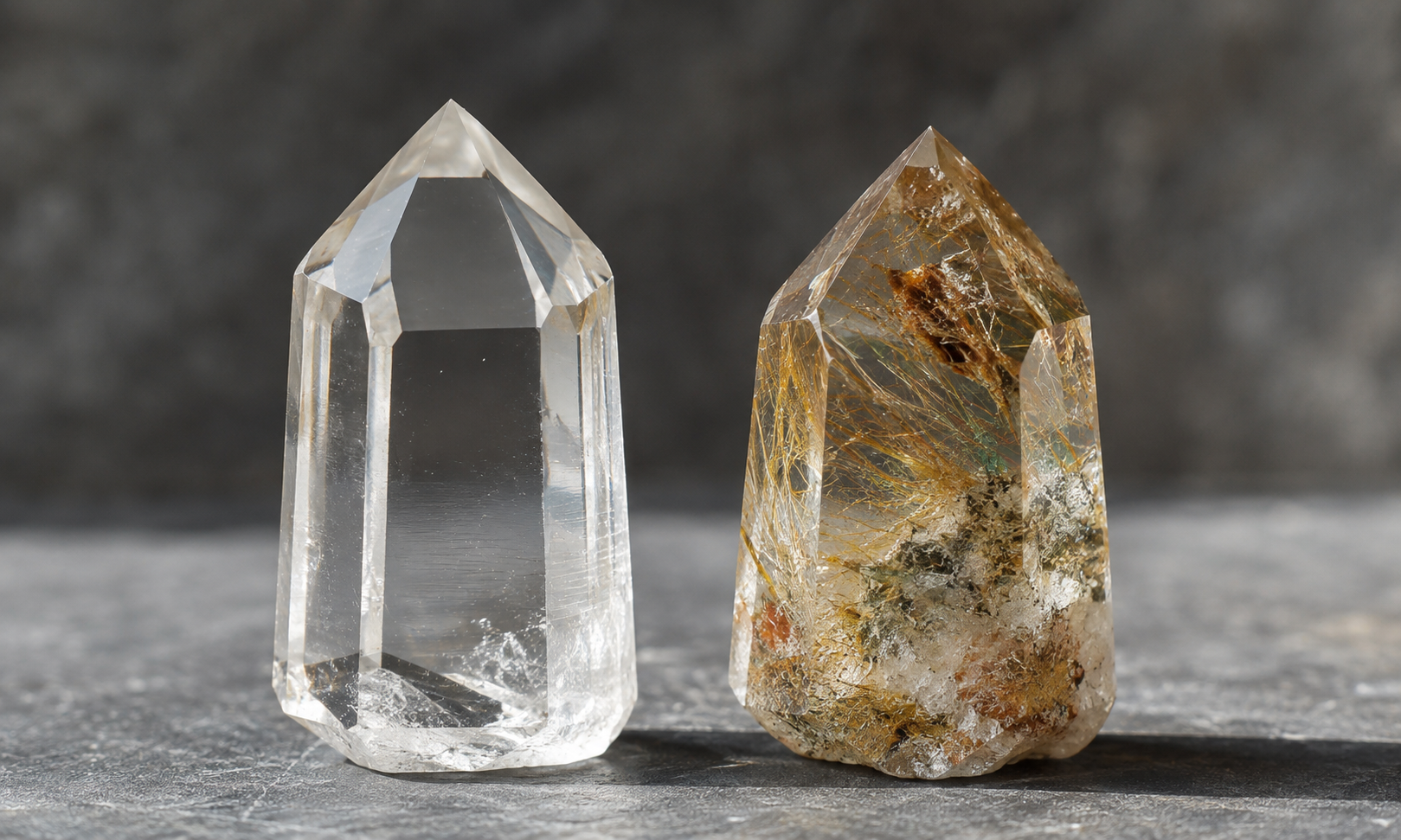
Are Inclusions a Flaw in Quartz?
How Do Quartz Inclusions Form?
Quartz inclusions form through different geological processes during the crystal’s growth.
1. Mineral Inclusions Form Before Quartz Growth
Some minerals crystallize first. Later, growing quartz surrounds and protects them.
This process creates protogenetic inclusions.
Example:
- Rutilated Quartz
- Tourmalinated Quartz
In these crystals, the included mineral existed before the quartz formed around it.
2. Minerals Grow Together With Quartz
Some inclusions develop during the same growth period as quartz.
These minerals become naturally embedded within the quartz structure.
Examples:
- Certain needle inclusions
- Some layered mineral formations
3. Internal Features Form During Growth Interruptions
Sometimes quartz growth pauses temporarily.
During this pause, another mineral layer may form on the crystal surface. When quartz growth continues, the earlier growth stage becomes trapped inside.
This creates:
- Phantom Quartz
The internal shape becomes a record of the crystal’s growth journey.
1. Rutilated Quartz (Golden Hair Quartz)
1.1The Beauty of Golden Needle Inclusions
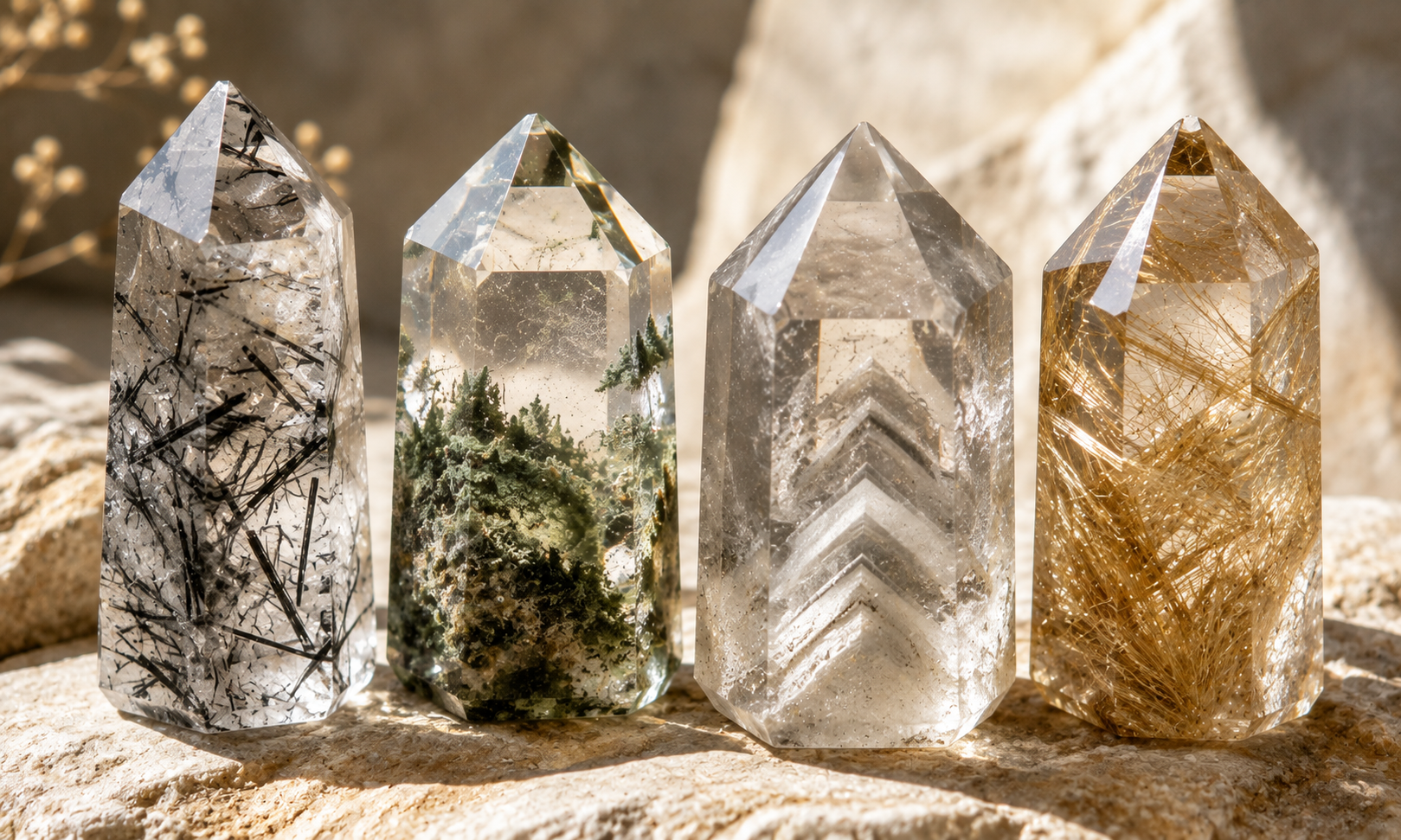
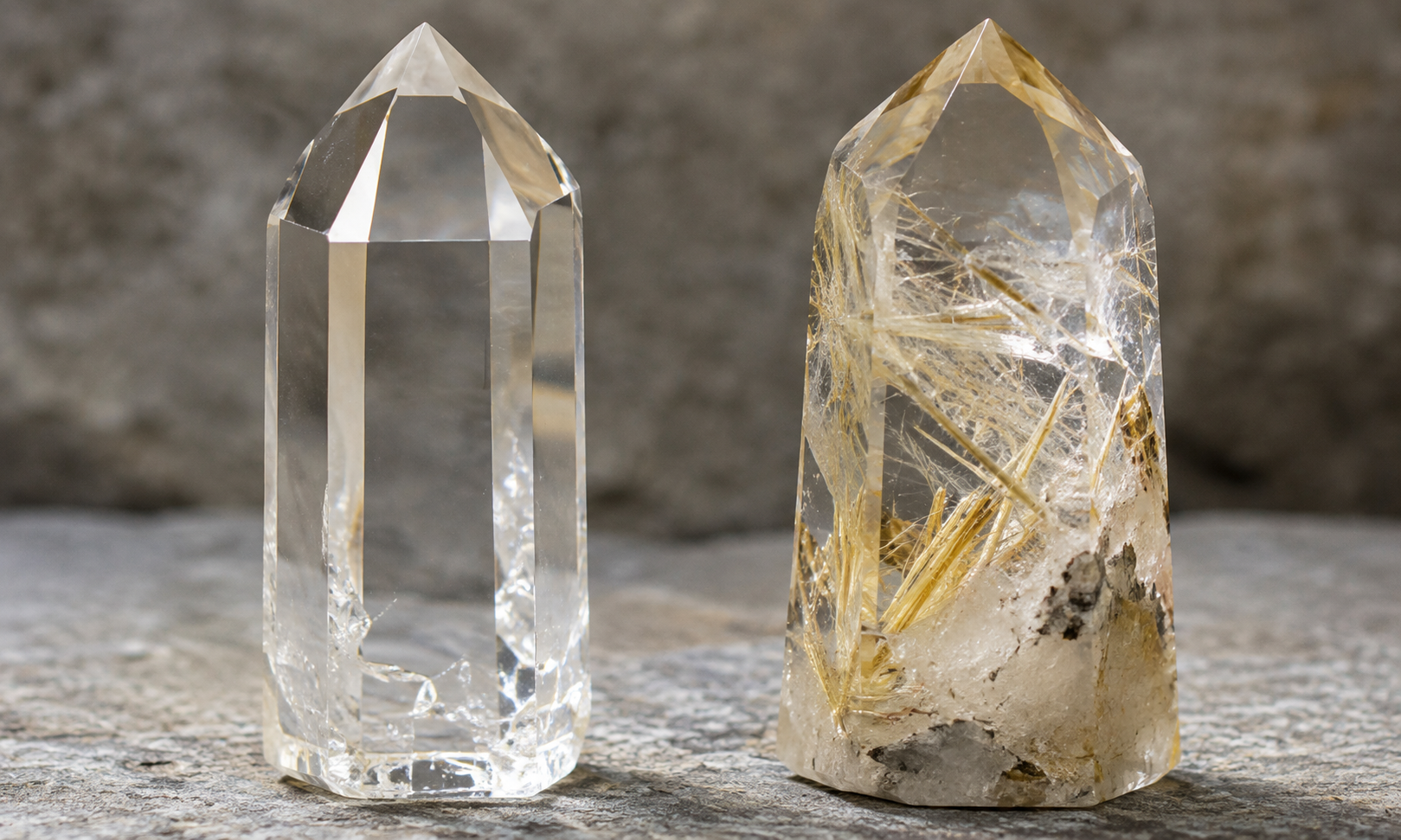
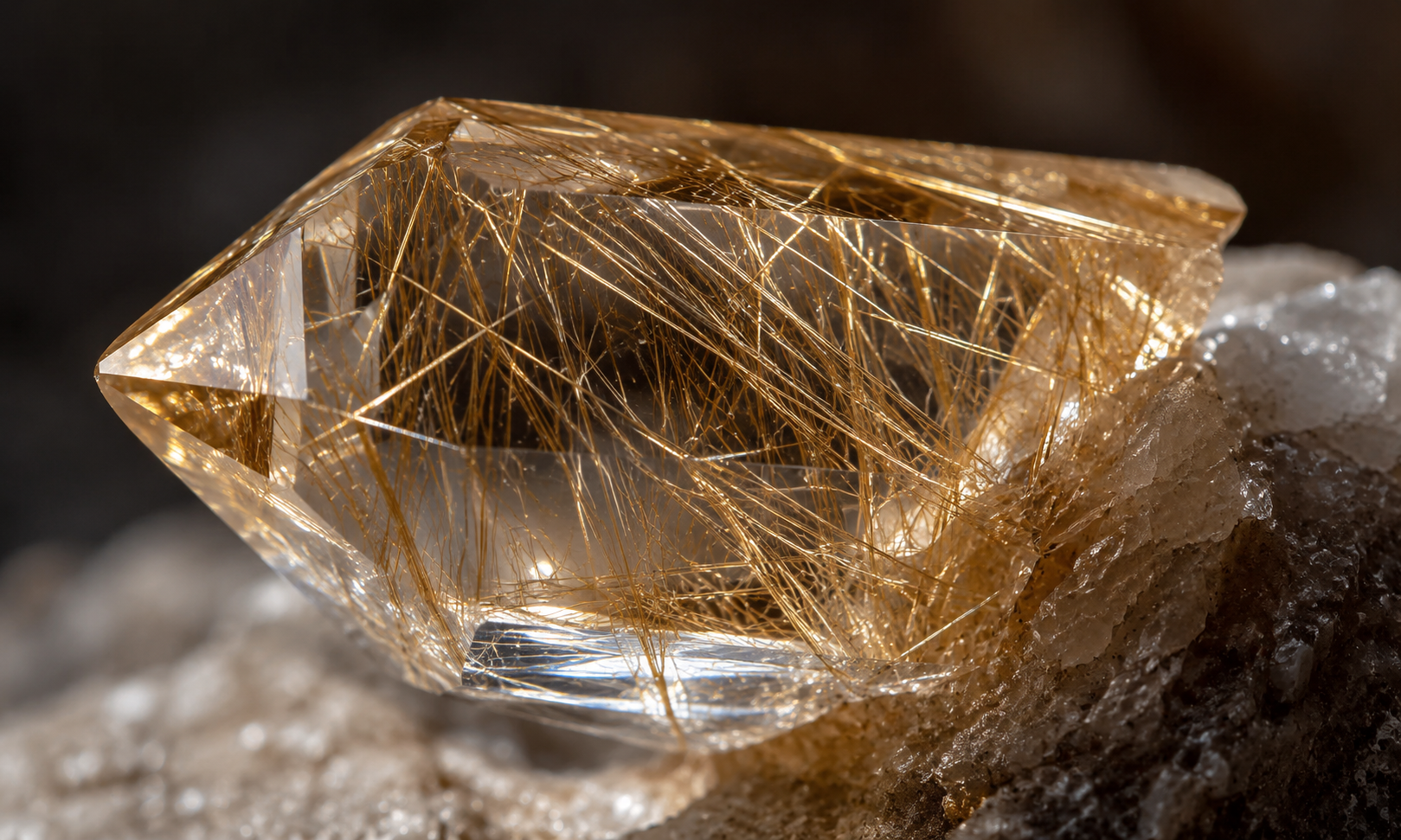
Rutilated Quartz is one of the most famous included quartz varieties.
It contains needle-like crystals of rutile (TiO₂) trapped inside quartz.
These golden, silver, copper, or reddish needles create the appearance of hair-like threads flowing through the crystal.
The most popular variety is:
1.2 Golden Rutilated Quartz
Known for:
- Bright golden needles
- Dense internal patterns
- High visual impact
Collectors often appreciate rutilated quartz because each piece has a completely different internal design.
Some crystals contain only a few elegant needles, while others look like they hold a golden forest inside.
Black Needles Inside Clear Quartz
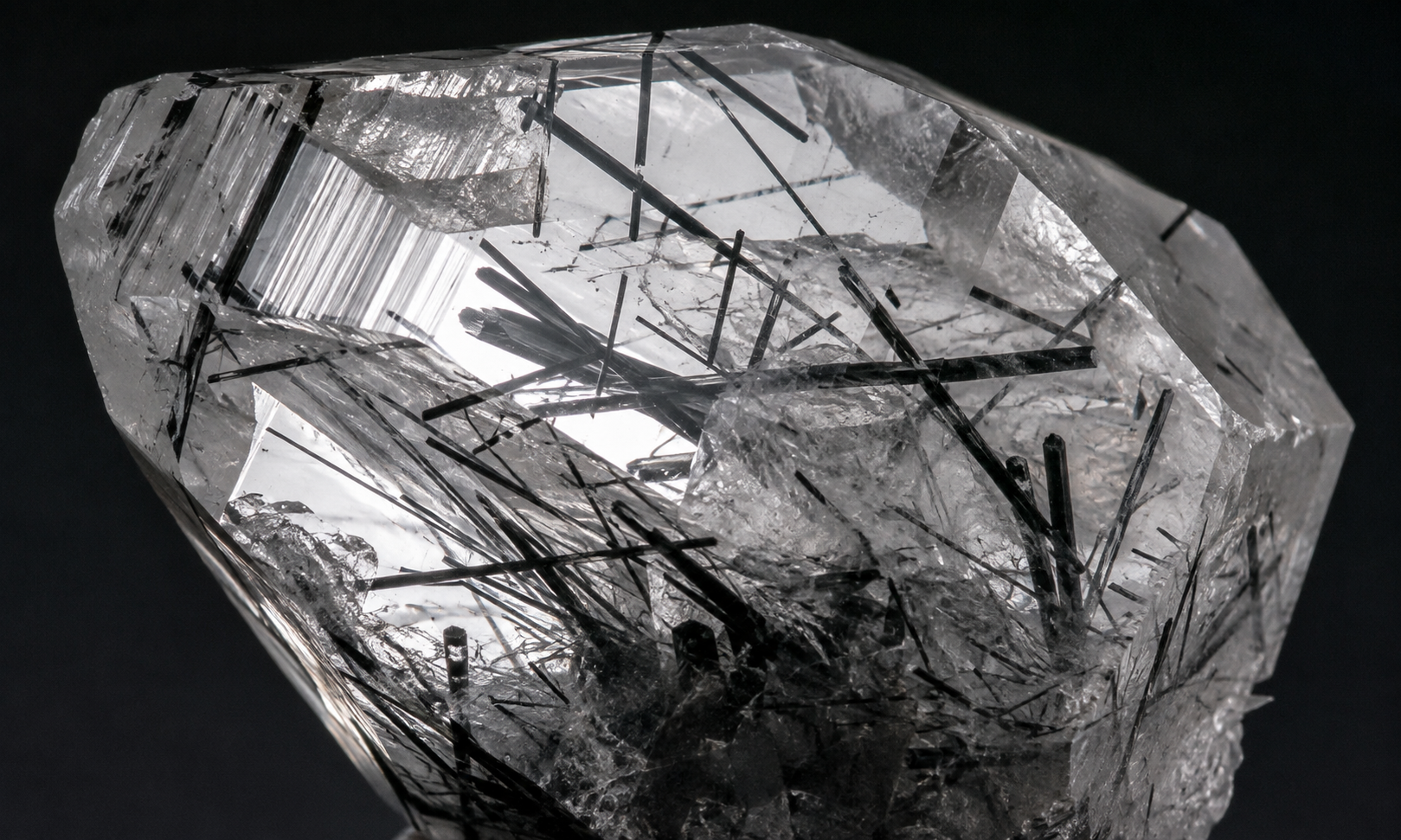
Tourmalinated Quartz contains black tourmaline inclusions, usually appearing as dark needle-like formations inside transparent quartz.
The contrast between:
- Clear quartz
- Deep black tourmaline
creates a dramatic and natural appearance.
Many collectors love tourmalinated quartz because of its bold visual contrast and unique patterns.
Each specimen may display different:
- Needle thickness
- Direction
- Density
- Internal arrangement
making every crystal completely individual.
A Miniature Landscape Inside Crystal
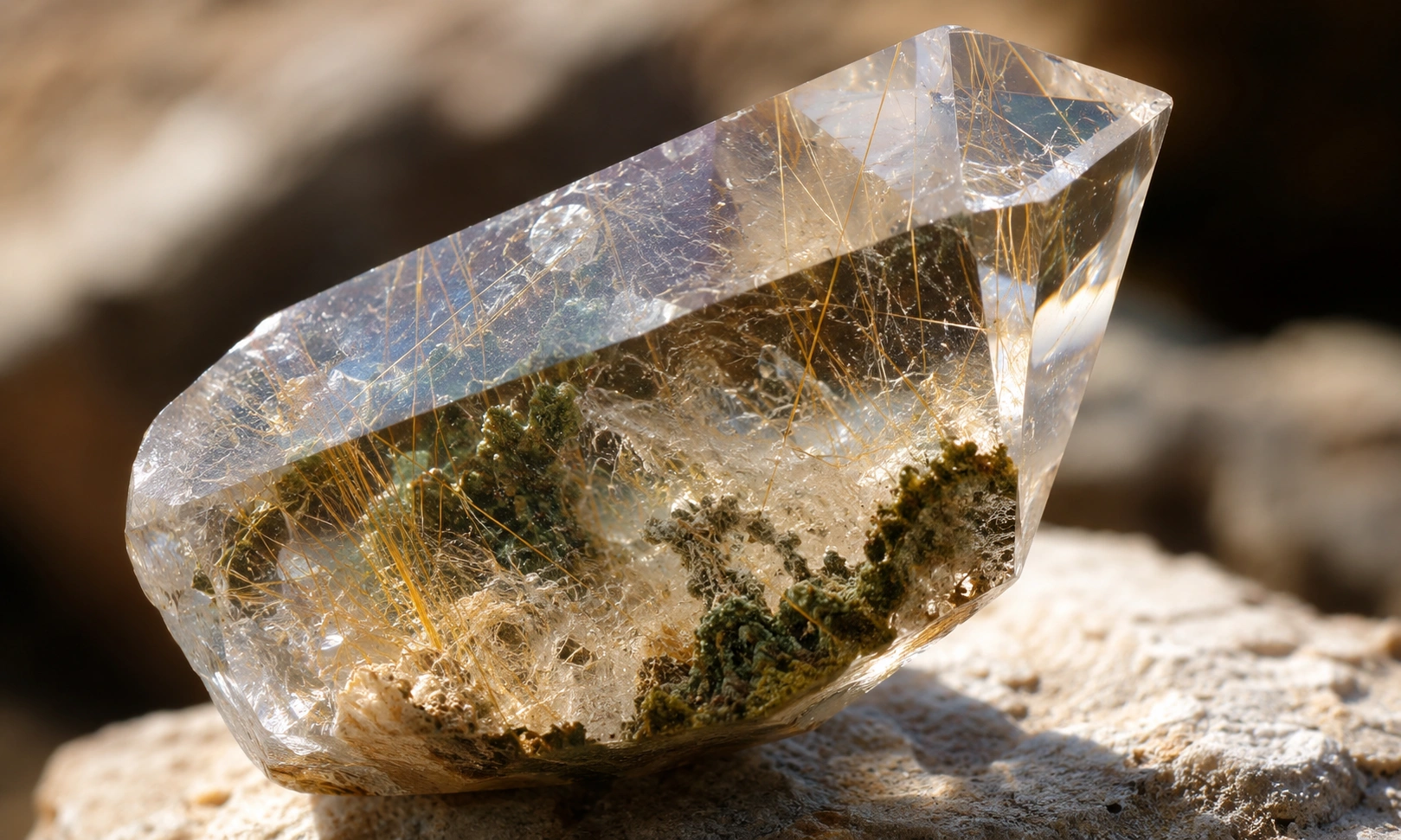
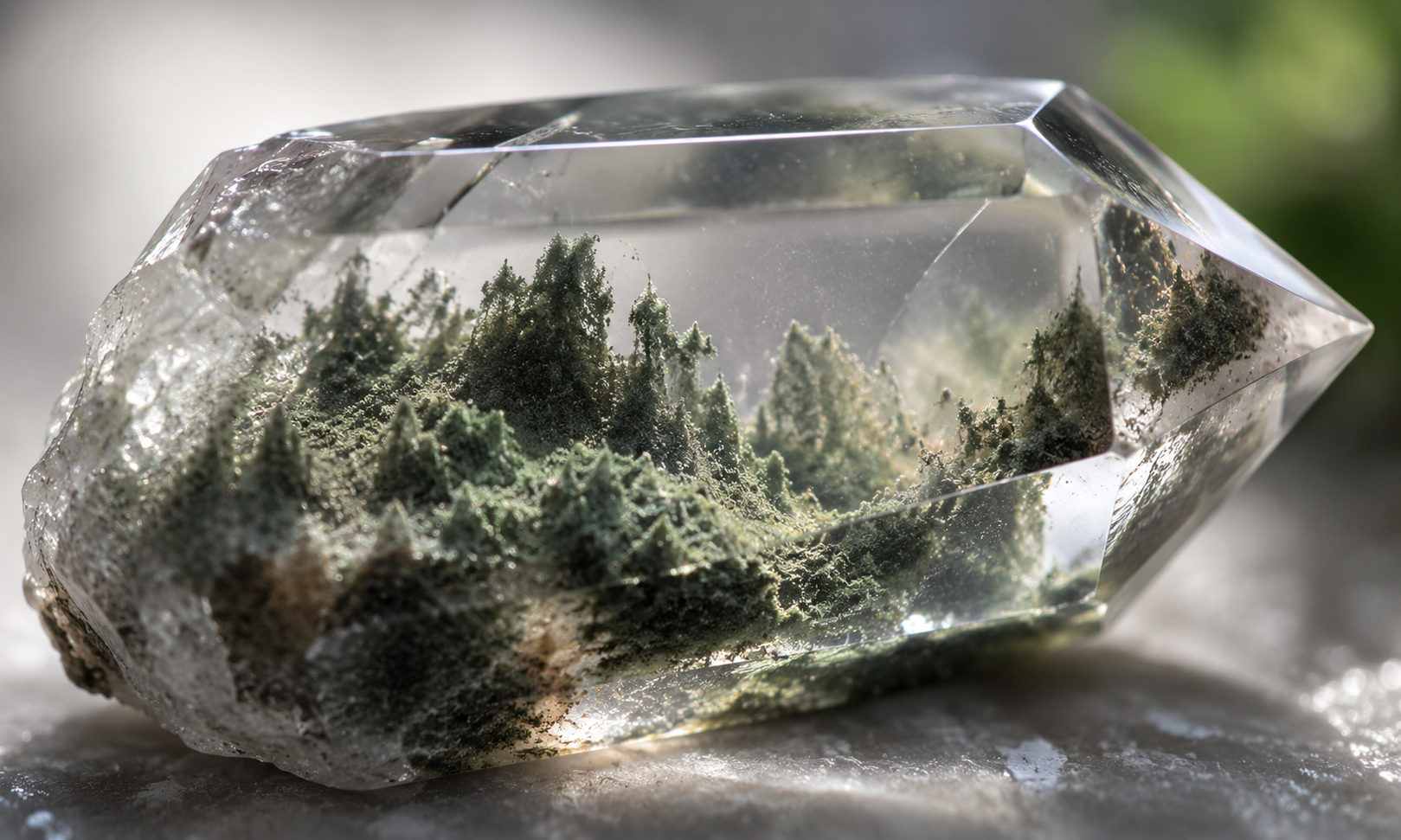
Garden Quartz, also known as Lodolite, is one of the most visually fascinating included quartz varieties.
Inside the transparent quartz, mineral inclusions create scenes that may resemble:
- Forests
- Mountains
- Underwater gardens
- Natural landscapes
These patterns are often created by minerals such as chlorite and other mineral mixtures trapped during quartz formation.
Because every piece contains a different internal “landscape,” collectors often describe garden quartz as a small piece of Earth’s history preserved inside crystal.
4. Phantom Quartz
A Crystal Within a Crystal
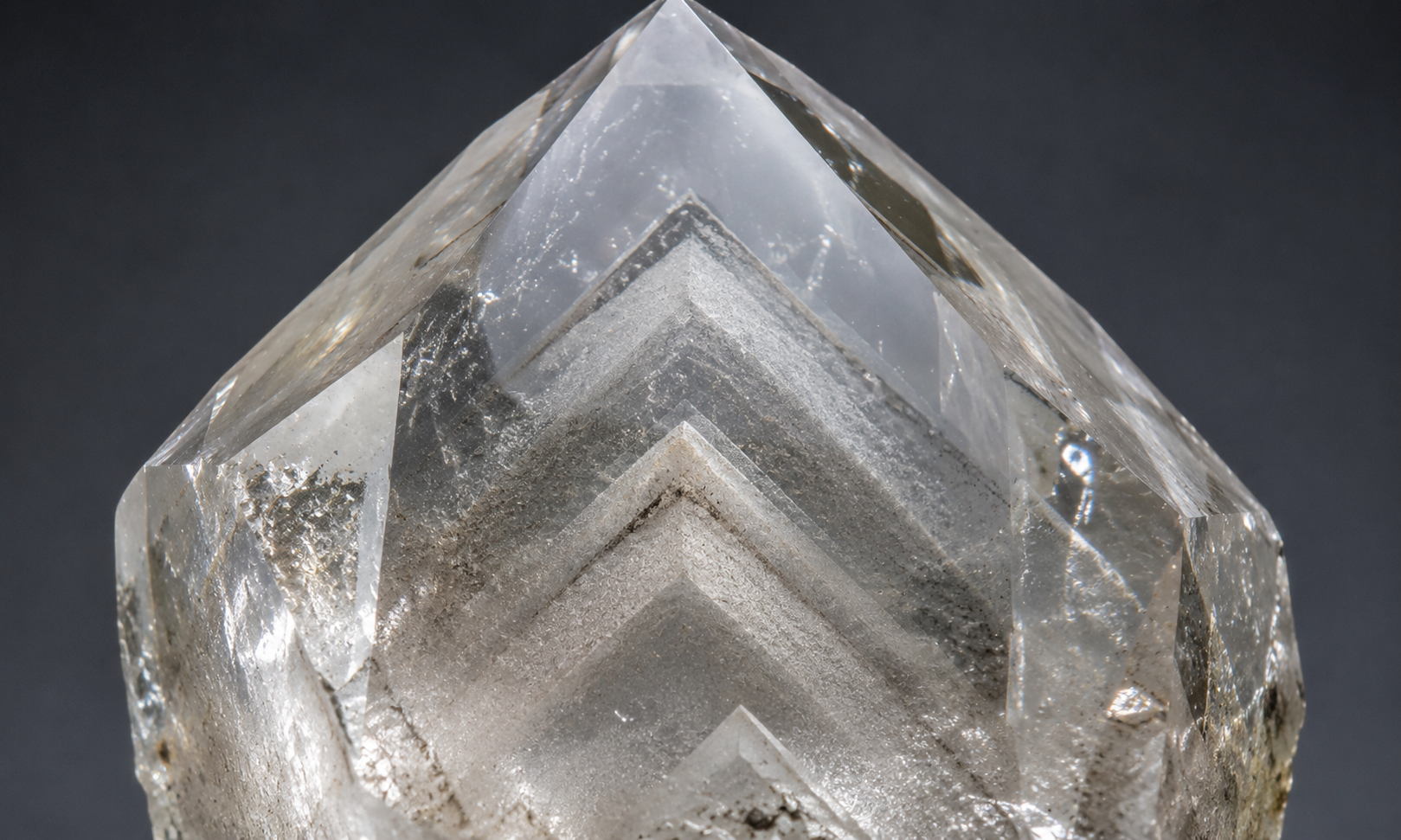
Phantom Quartz is formed when a quartz crystal temporarily stops growing.
During this pause, minerals may coat the existing crystal surface. Later, quartz growth continues and surrounds the earlier formation.
The result?
A “ghost-like” crystal shape appears inside the larger quartz.
A phantom can look like:
- A smaller crystal inside a larger crystal
- A mountain-shaped outline
- Layered growth patterns
Phantom quartz is valued because it visually records the different stages of crystal growth.
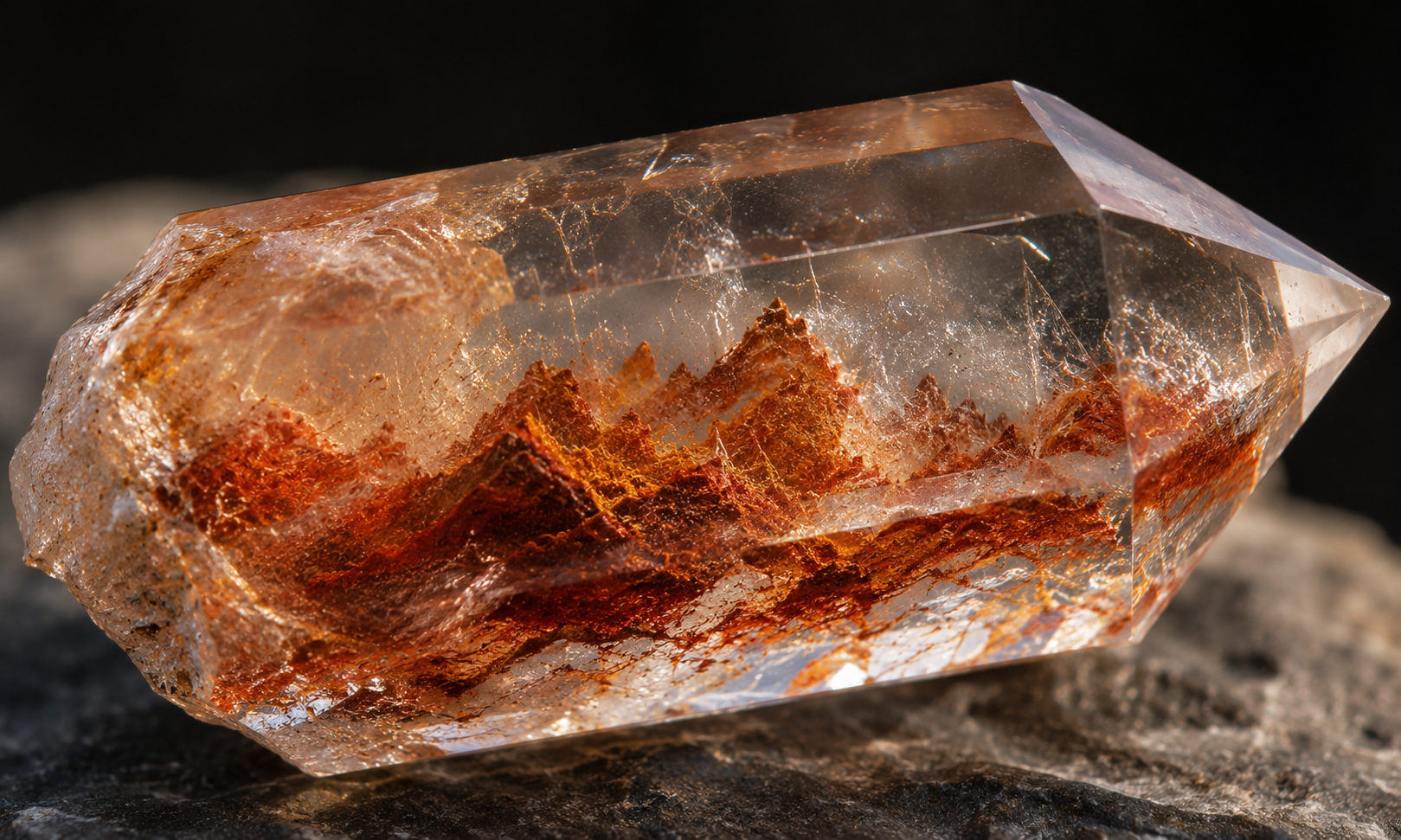
5. Hematoid Quartz
Warm Colors Created by Iron Minerals
Hematoid Quartz contains iron-related mineral inclusions, creating shades of:
- Red
- Orange
- Yellow
- Golden brown
These internal colors give quartz a warm and vibrant appearance.
Because the colors occur naturally inside the crystal, each piece has its own unique patterns and intensity.
6. Fluid Inclusions
Ancient Water Trapped Inside Crystal
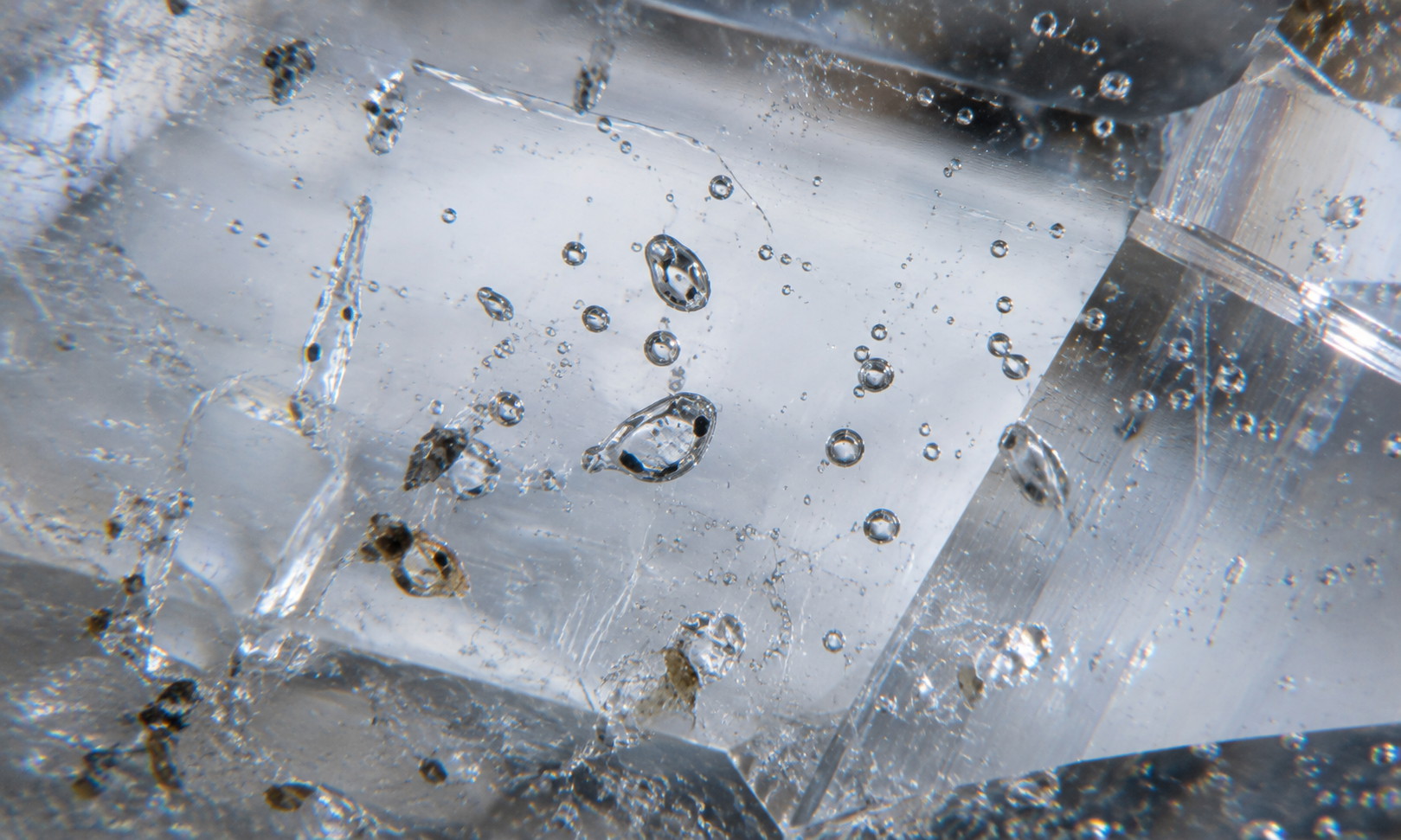
Some quartz contains tiny pockets of ancient fluids trapped during formation.
Under magnification, these inclusions may appear as:
- Small bubbles
- Liquid chambers
- Moving internal pockets
Scientists study fluid inclusions because they provide information about the environment where the crystal formed millions of years ago.
How to Appreciate Quartz Inclusions
1 Observe Under Natural Light
Natural sunlight can reveal:
- Hidden colors
- Internal depth
- Fine mineral details
2 Rotate the Crystal Slowly
Changing angles allows different layers and patterns to appear.
Many inclusions look completely different from different viewpoints.
3 Use Magnification
A simple magnifying glass can reveal details invisible to the naked eye.
You may discover:
- Tiny mineral crystals
- Growth layers
- Internal textures
Final Thoughts: Nature’s Artwork Hidden Inside Crystal
Quartz inclusions are more than beautiful patterns.
They are records of time.
Each golden needle, mineral cloud, phantom layer, and tiny internal landscape represents a moment in the Earth’s long geological history.
At The Infinite Crystal, we celebrate these natural wonders and carefully select crystals that showcase the incredible diversity and beauty of nature.
Because every crystal has a story.
And every inclusion reveals a hidden chapter waiting to be discovered.
✨ Explore the hidden beauty inside natural crystals with The Infinite Crystal. ✨