
Introduction
In the dazzling world of gemstones, Citrine, with its bright and warm yellow hues, is revered as the "Stone of Wealth" and "Merchant's Stone," symbolizing prosperity, good fortune, and positive energy. Its golden glow, like sunshine, inspires confidence and vitality. However, the market offers a wide variety of Citrine, and there are significant differences between natural Citrine and heat-treated Amethyst (often referred to as "heat-treated Citrine"), making identification a crucial step when purchasing. This article will delve into the mysteries of Citrine, covering its mineralogical characteristics, identification of natural versus heat-treated varieties, main origins, quality assessment, unique benefits, and maintenance methods, helping you become an expert in appreciating Citrine.
What Is Citrine?
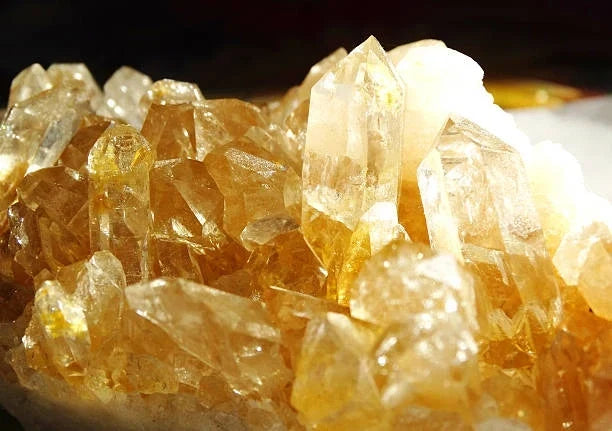
Citrine is a variety of Quartz, primarily composed of silicon dioxide (SiO₂). Its distinctive yellow color, ranging from pale lemon yellow to golden yellow and orange-yellow, is caused by trace amounts of iron within the crystal structure, which undergoes natural irradiation and/or geothermal heat during its formation. Natural Citrine requires specific and rare geological conditions for its formation, making its yield relatively scarce.
Citrine has a Mohs hardness of 7, making it a durable and suitable gemstone for daily wear and collection.
Identifying Natural Citrine vs. Heat-Treated Amethyst
Due to the rarity of natural Citrine, most gemstones marketed as "Citrine" are actually Amethyst or Smoky Quartz that have been heat-treated. Understanding the identification methods for both is crucial:
Color:
Natural Citrine: The color is usually lighter, softer, and appears as lemon yellow, pale golden yellow, or honey color, with a uniform and natural hue. Its yellow color is due to iron ions in the crystal structure being affected by natural radiation and geothermal heat.
Heat-Treated Amethyst: Formed by heating Amethyst (typically Brazilian Amethyst), which causes a change in the valence state of the iron ions, turning them yellow. Its color is usually deeper, leaning towards orange-red or brownish-red, often with an unnatural "baked" appearance. The color is often uneven, possibly retaining traces of Amethyst at the base or tip of the crystal, or showing distinct color banding.
Crystal Base:
Natural Citrine: The crystal base is usually transparent or translucent, with a natural color transition.
Heat-Treated Amethyst: When Amethyst clusters are heated, the color tends to spread from the tips towards the base. Therefore, heat-treated Citrine clusters often retain a white or milky quartz base, creating a distinct "white base with yellow tips" phenomenon.
Inclusions:
Natural Citrine: May contain natural internal fractures (ice cracks), cloudiness, or mineral inclusions, which are signs of natural growth.
Heat-Treated Amethyst: If made from high-clarity Amethyst, the interior might be very clean, but its color characteristics remain key for identification.
Ametrine: It is worth noting that Ametrine is a natural, bi-colored quartz crystal that simultaneously contains Amethyst and Citrine zones. Its unique dual-color property gives it high collector's value. It is not a heat-treated product but naturally formed.
Main Origins
Natural Citrine is relatively rare, with primary origins including:
Brazil: One of the main sources of natural Citrine, though its yield is much lower than Amethyst.
Madagascar: Also produces high-quality natural Citrine.
Uruguay, Zambia: These regions are primarily known for Amethyst, but also yield small amounts of natural Citrine.
Quality Identification Guide
Assessing the quality of Citrine primarily involves the following aspects:
Color:
Natural Citrine is best in golden yellow or orange-yellow, with vibrant, uniform, and highly saturated colors. Avoid Citrine that is too pale or has brownish tones.
Clarity:
The crystal interior should be as transparent and flawless as possible, with no visible inclusions (such as ice cracks, cloudiness, or impurities) to the naked eye. Minor inclusions are natural, but excessive ones diminish its aesthetic appeal.
Cut and Luster:
A good cut maximizes Citrine's color and brilliance. Citrine should exhibit a vitreous (glassy) luster, with a smooth surface that reflects light brightly.
Benefits and Spiritual Meaning of Citrine
Citrine is attributed with various positive meanings and benefits in the spiritual realm:
Attracting Wealth and Prosperity: Citrine's most famous benefit is attracting wealth, regarded as the "Stone of Wealth," helping to attract both primary and secondary wealth, and boosting business and investment luck.
Boosting Confidence and Vitality: Its bright yellow hue inspires confidence, positivity, and optimism in the wearer, bringing vitality and positive energy.
Promoting Digestive Health: Corresponding to the Solar Plexus Chakra, Citrine is believed to help improve digestive function and alleviate issues like indigestion.
Emotional Balance and Stress Relief: Helps balance emotions, alleviate tension, anxiety, and stress, maintaining a positive and optimistic mindset.
Enhancing Wisdom and Creativity: Helps improve mental clarity, enhance creativity, and learning ability.
Care and Cleansing of Citrine
To maintain the beauty and energy of Citrine, proper care and cleansing are essential:
Avoid Prolonged Sunlight Exposure: Citrine's color is sensitive to light; prolonged exposure to strong sunlight can cause its color to lighten or fade. Therefore, avoid placing Citrine in direct sunlight for extended periods.
Avoid Impact and Chemicals: Citrine has moderate hardness, but it should still be protected from impacts with hard objects to prevent scratches or damage. Also, avoid contact with chemicals like perfumes or detergents, which can corrode the crystal surface.
Regular Cleansing:
Moonlight Cleansing: Place Citrine under moonlight, especially during a full moon, to recharge and purify it with lunar energy.
Crystal Cave/Cluster Cleansing: Place it inside a larger Amethyst geode or Clear Quartz cluster, utilizing their powerful energy fields for purification and charging.
Smudging: Use natural incense like sandalwood or sage to purify Citrine through the smoke.
Running Water Cleansing: Rinse Citrine under flowing water for a few minutes, then dry it.
Conclusion
Citrine holds a significant position in the crystal world due to its bright colors and powerful wealth-attracting benefits. Understanding its mineralogical characteristics, identification of natural versus heat-treated varieties, quality assessment tips, and proper care methods will help you better appreciate and choose the Citrine that suits you. Whether as a lucky charm for attracting wealth and good fortune or as an adornment for enhancing personal energy, Citrine will bring you an extraordinary energetic experience and visual delight. We hope this guide helps you gain a deeper understanding and cherish this golden gift from nature.


